Operations · The spine of a call
A port call is a sequence of small certainties.
We keep each one visible, aligned and moving — from first notice to the final mile — so nothing arrives as a surprise.
How a call runs
Four phases, one continuous handover.
The phases below are a real sequence — each one sets up the next, and the principal is kept informed at every handover.
Notice & Pre-arrival
From first notice, we confirm the berth window, documentation and authorities, and brief the principal on what the call will require.
Arrival & Berthing
Pilotage, towage and mooring are coordinated so the vessel is alongside on schedule, with formalities cleared before work begins.
Cargo Operations
Stevedore liaison, tally and survey run against a shared plan. Progress is tracked and reported plainly, without surprises.
Departure & Final Mile
Documentation is finalised, disbursements settled, and onward haulage coordinated — so the cargo reaches its destination, not just the gate.
 Inbound · the approach
Arrival
Alongside on schedule, formalities cleared.
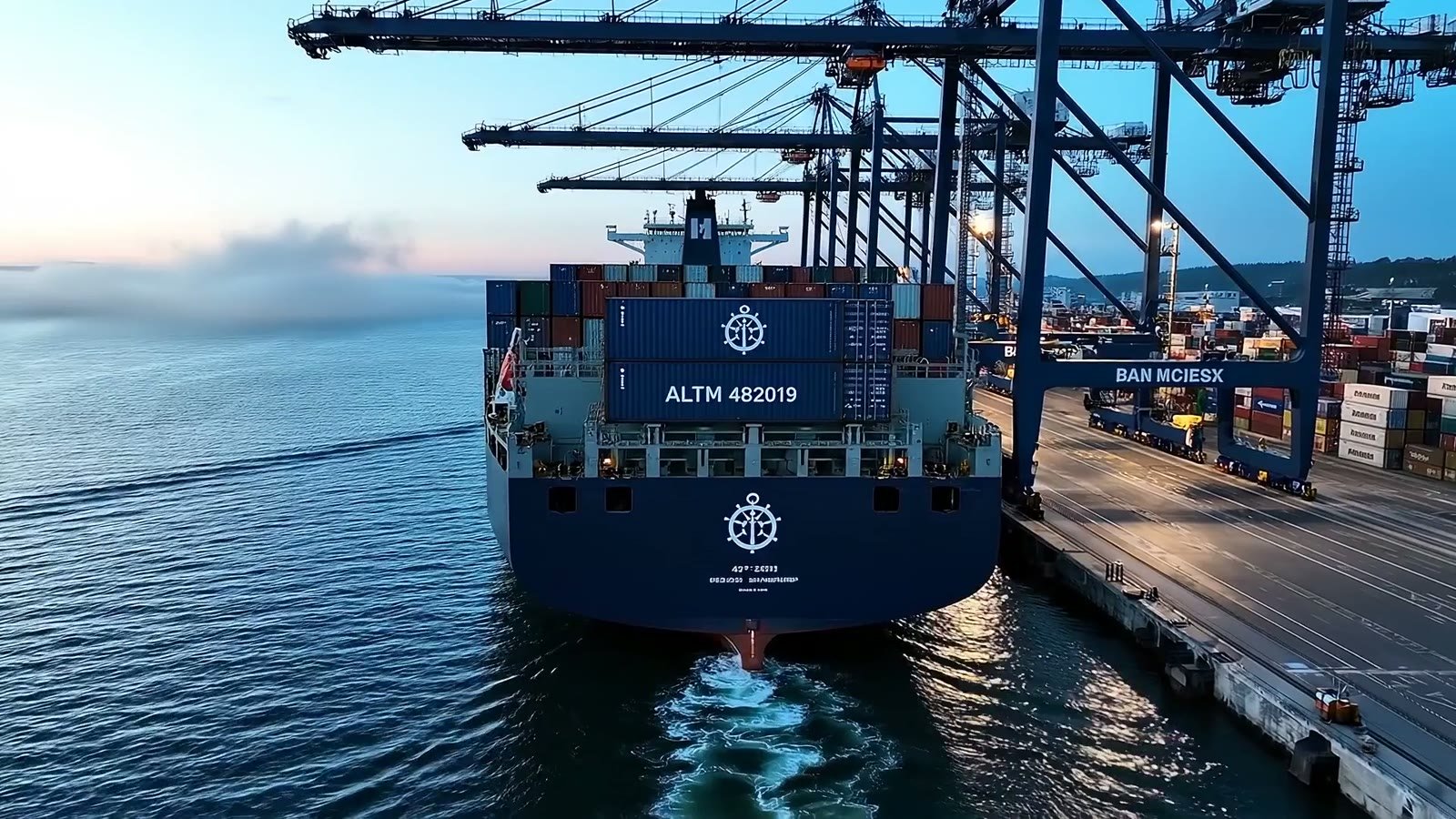
A berth window is a promise made weeks before the ship is in sight. Pilotage, towage and mooring are choreographed around it, so the vessel is alongside on time — not waiting at anchor, and not clearing paperwork while the clock runs.
By the time cargo work begins, the authorities are satisfied and the principal has the picture. Nothing about the call arrives as a surprise.
Reporting
Status that matters, shared plainly.
We report origin, movement and destination from one coordinated point of contact — the facts a principal needs to make a decision, without the noise that gets in the way of one.
Continuity
We stay to the final mile.
The obligation does not end at the quay. Documentation is finalised, disbursements settled, and onward haulage coordinated so the cargo reaches its destination — not just the gate.
Have a call coming up?
Share the notice and we will walk you through exactly how it will run.